

MY Academy

Readable classrooms on semiconductors, hardware security, RTL, AI systems, and advanced packaging.
Comic Classroom Visual classrooms that turn dense engineering topics into ideas you can remember and use.
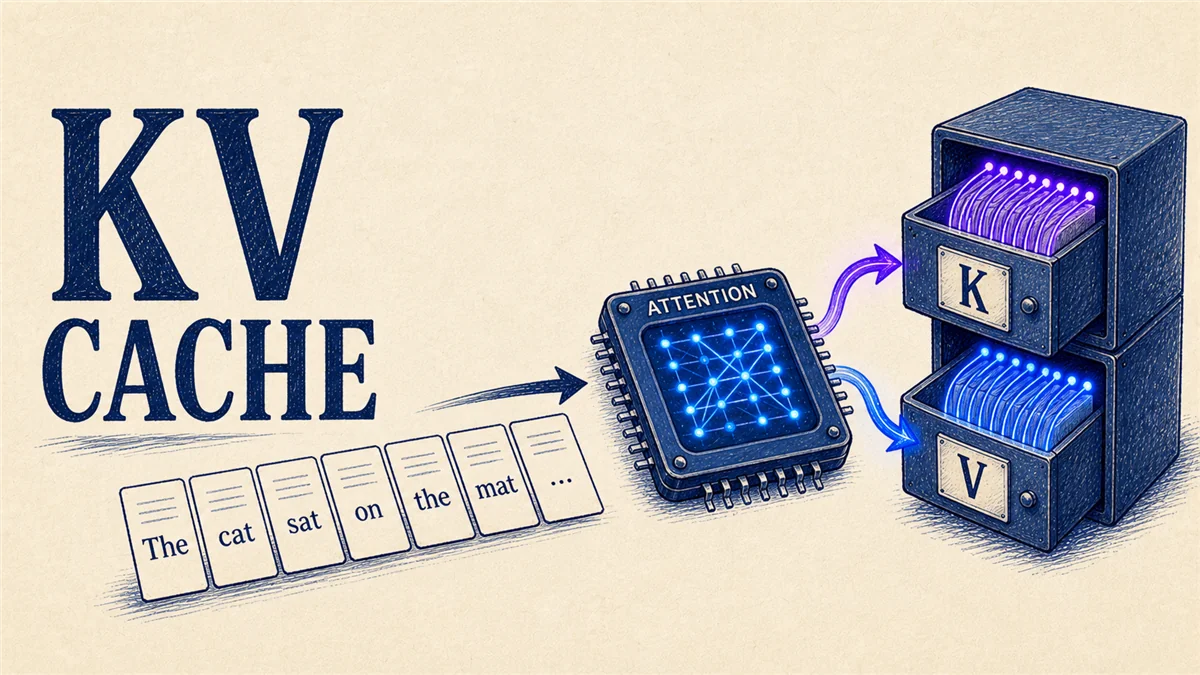
AI Technology Readable notes on LLMs, tokens, KV Cache, inference bottlenecks, memory movement, and AI accelerator architecture.
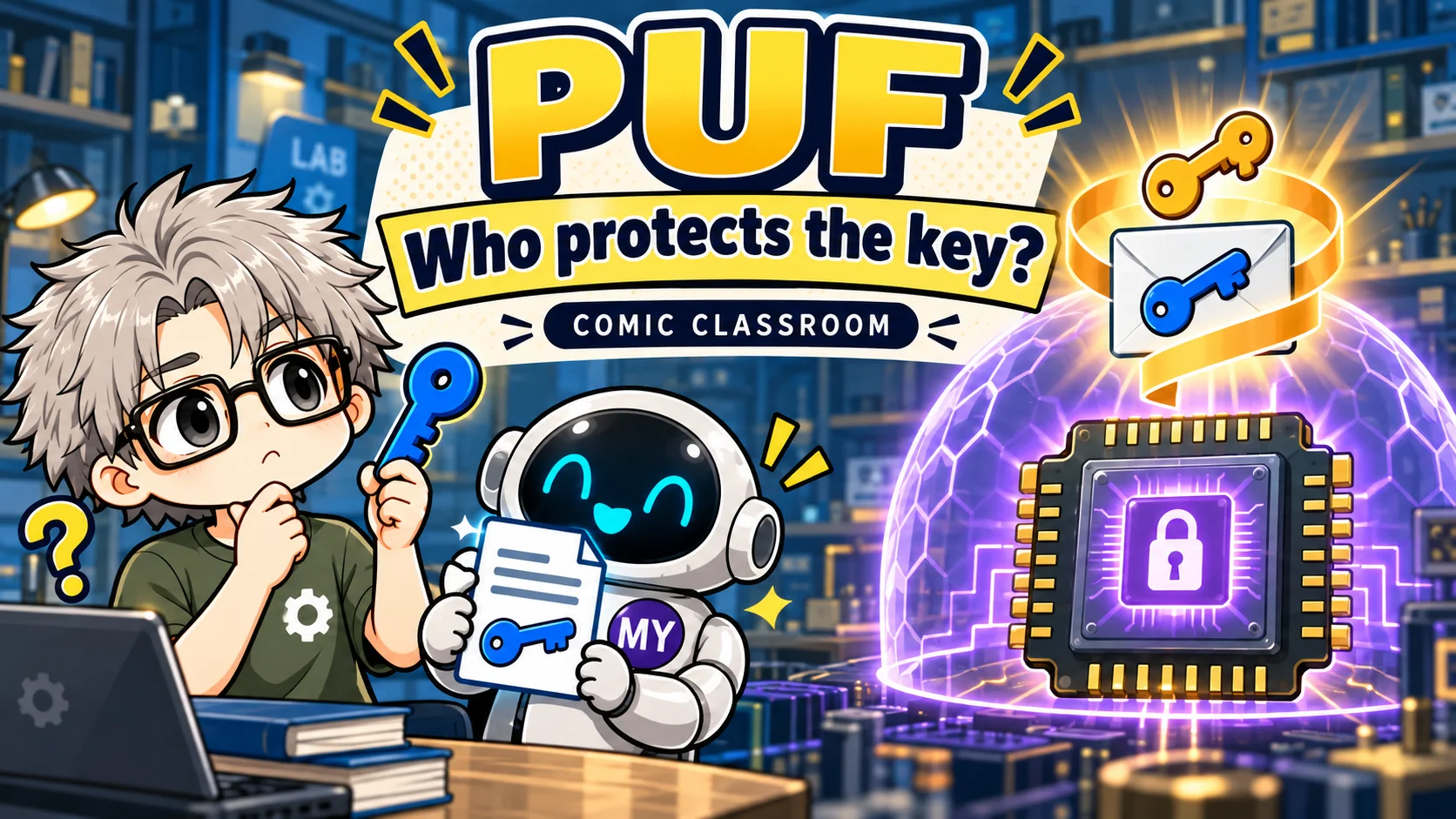
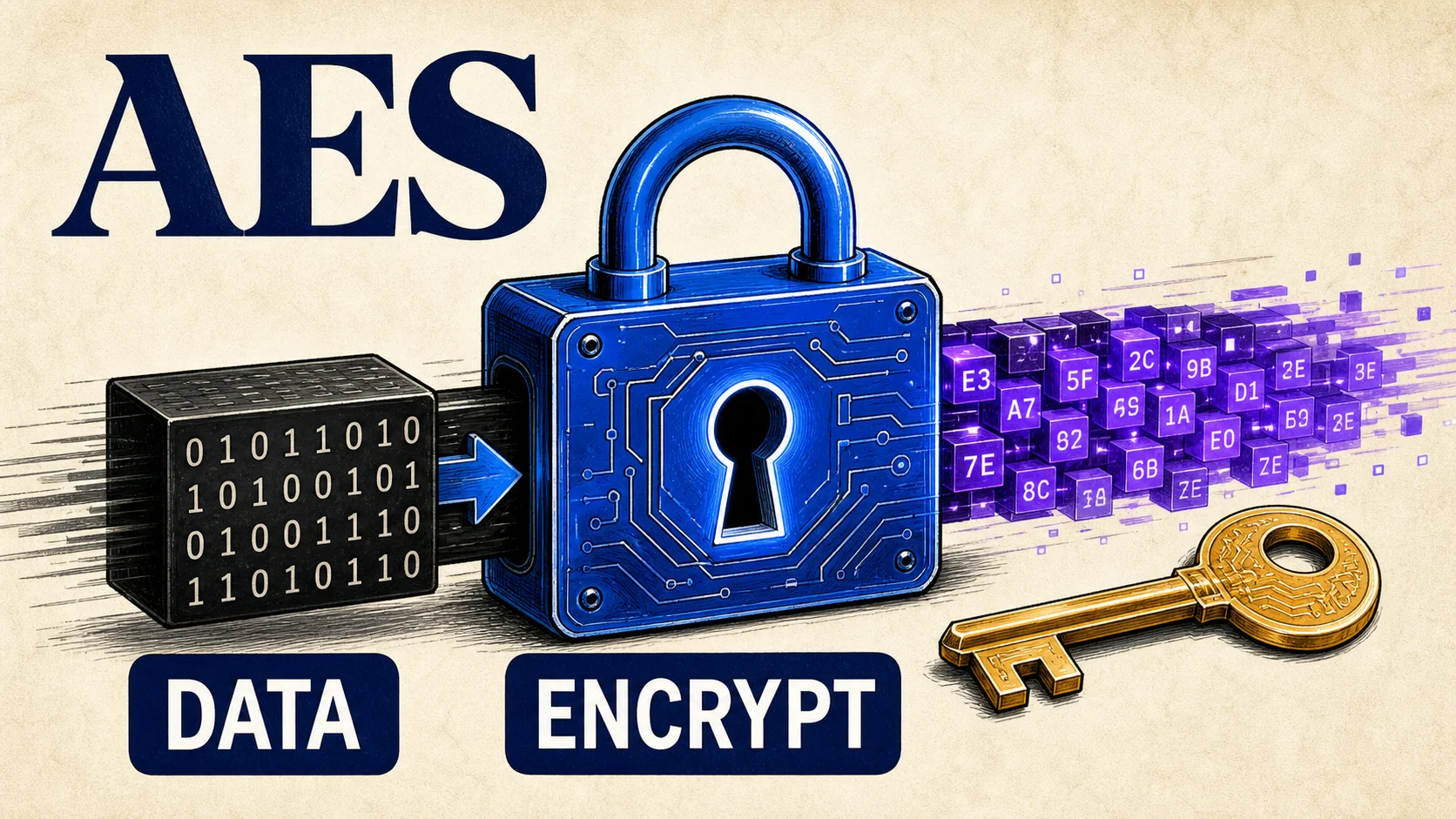
Hardware Security Cryptography, chip identity, protected keys, secure storage, validation, and RTL ideas explained from the hardware point of view.
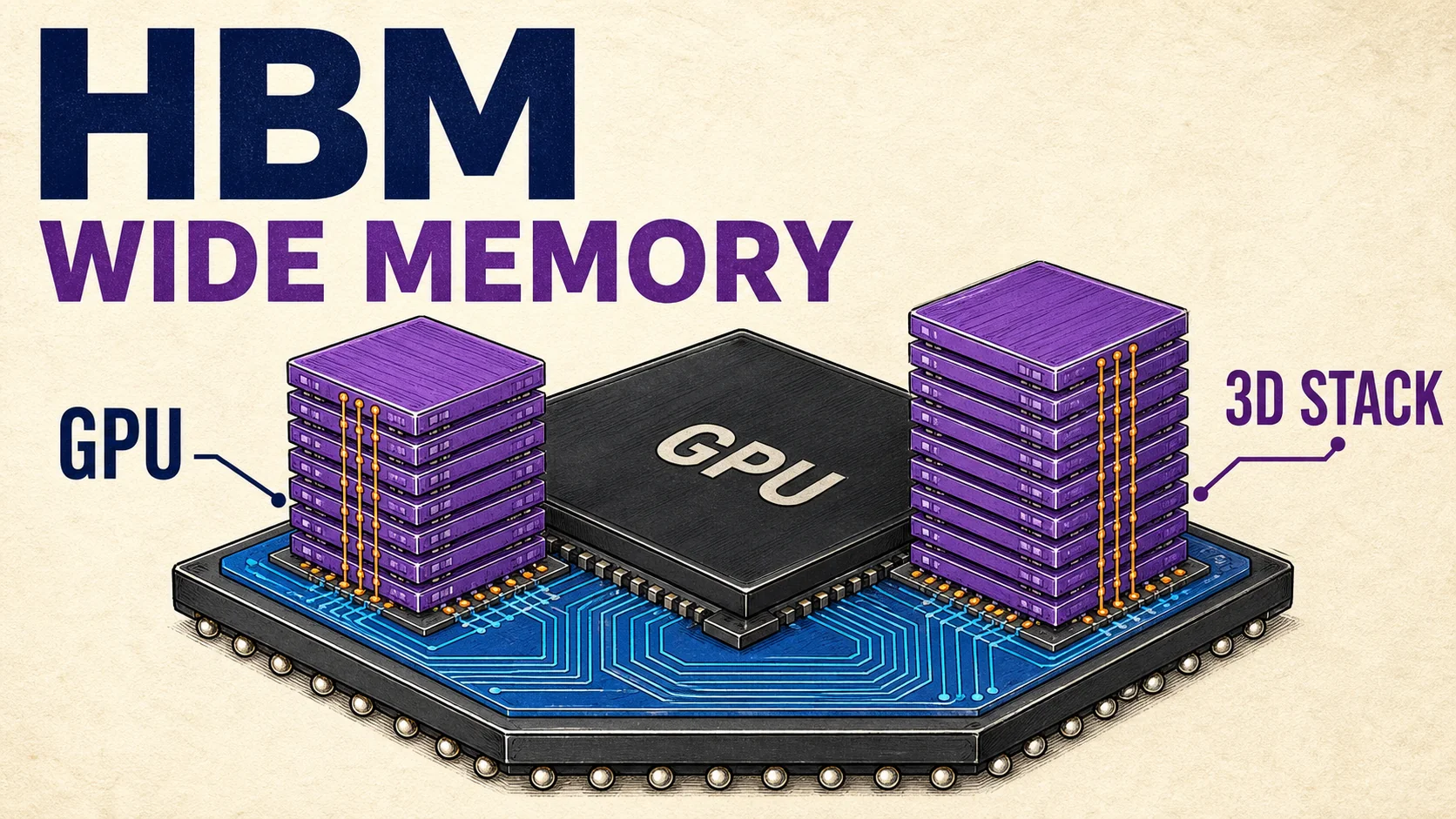
Semiconductor Technology HBM, advanced packaging, AI inference architecture, and the system-level tradeoffs behind modern chips.

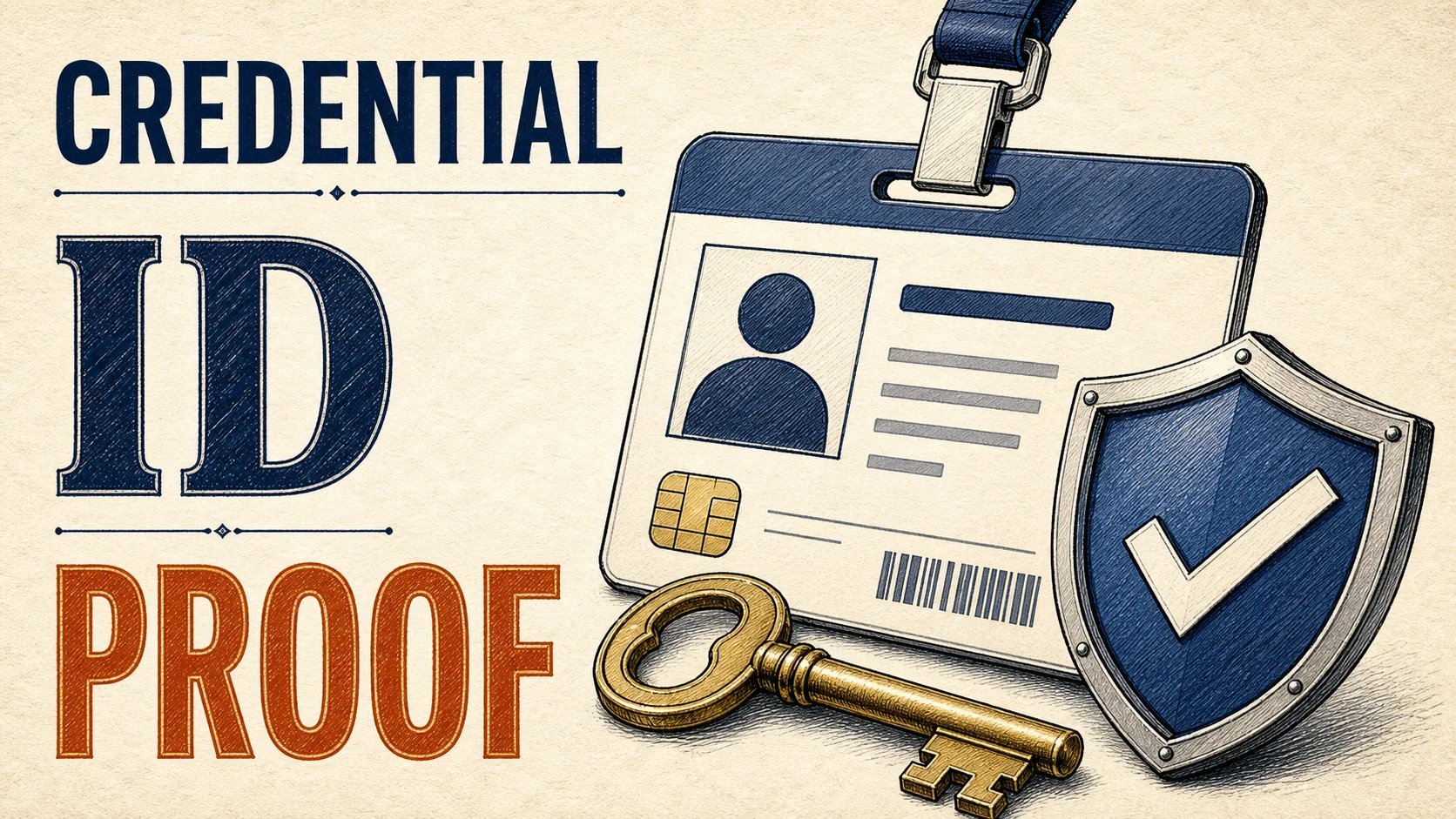
Credential Comic Classroom: Who Is at the Door?

A 12-page visual guide to credentials, authentication, authorization, passwords, keys, certificates, tokens, device identity, attestation, and PUF. Start with a simple door-check story, then connect each picture to practical security design.

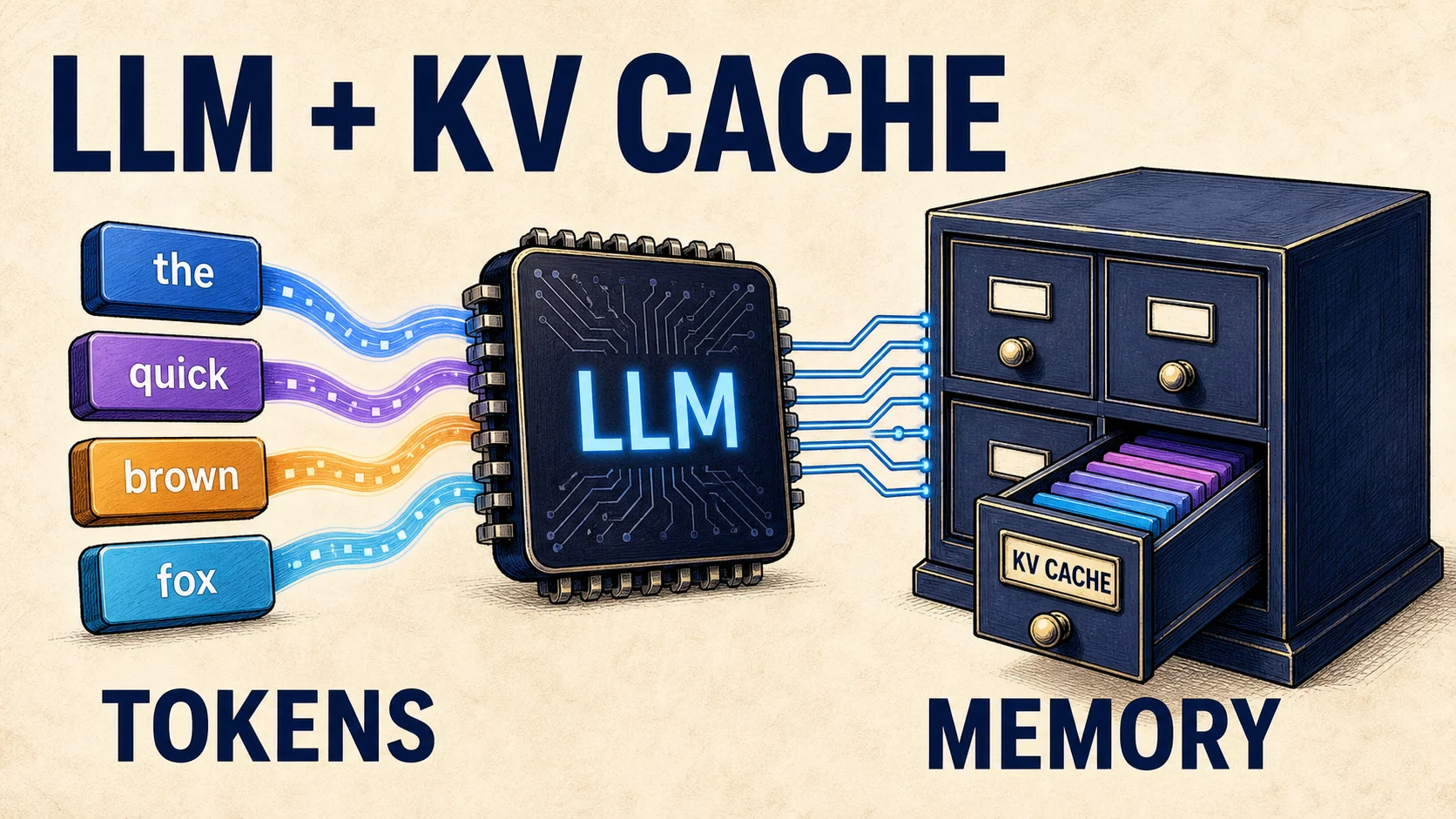
AI Comic Classroom #1: LLM Tokens and KV Cache

A six-page classroom that starts with a simple question: how does an LLM keep writing one piece at a time? We begin with next-token prediction, then move into tokens, vectors, K/V notes, KV Cache, and the memory cost that appears when conversations get long.

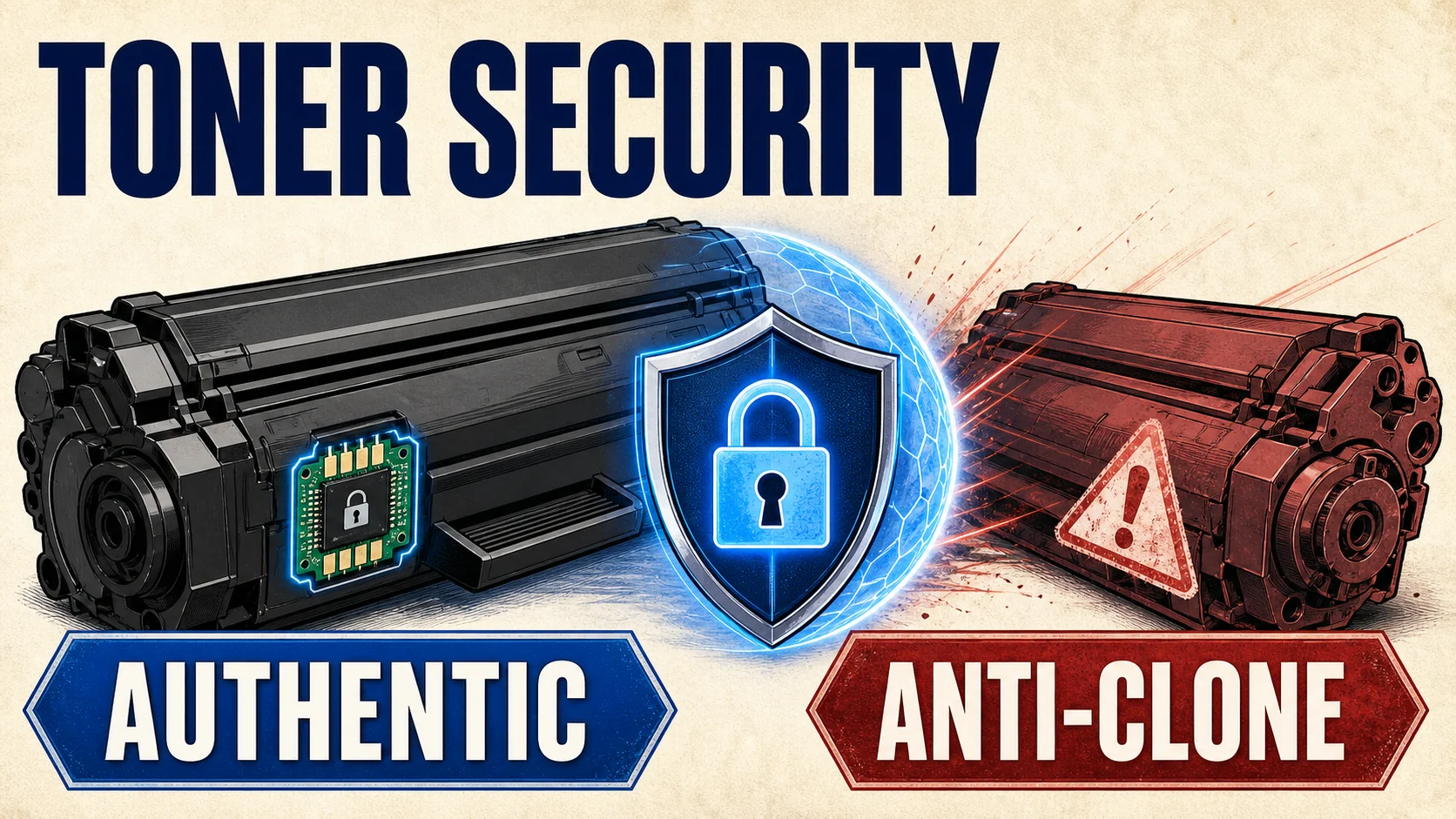
Toner Cartridge Security: Why PUF & Secure Storage Matter

A ten-page classroom on why toner cartridge security is really a supply-chain trust problem. It starts with attacker incentives and PKI authentication, then explains why private keys, counters, and cartridge state need PUF and Secure Storage protection.
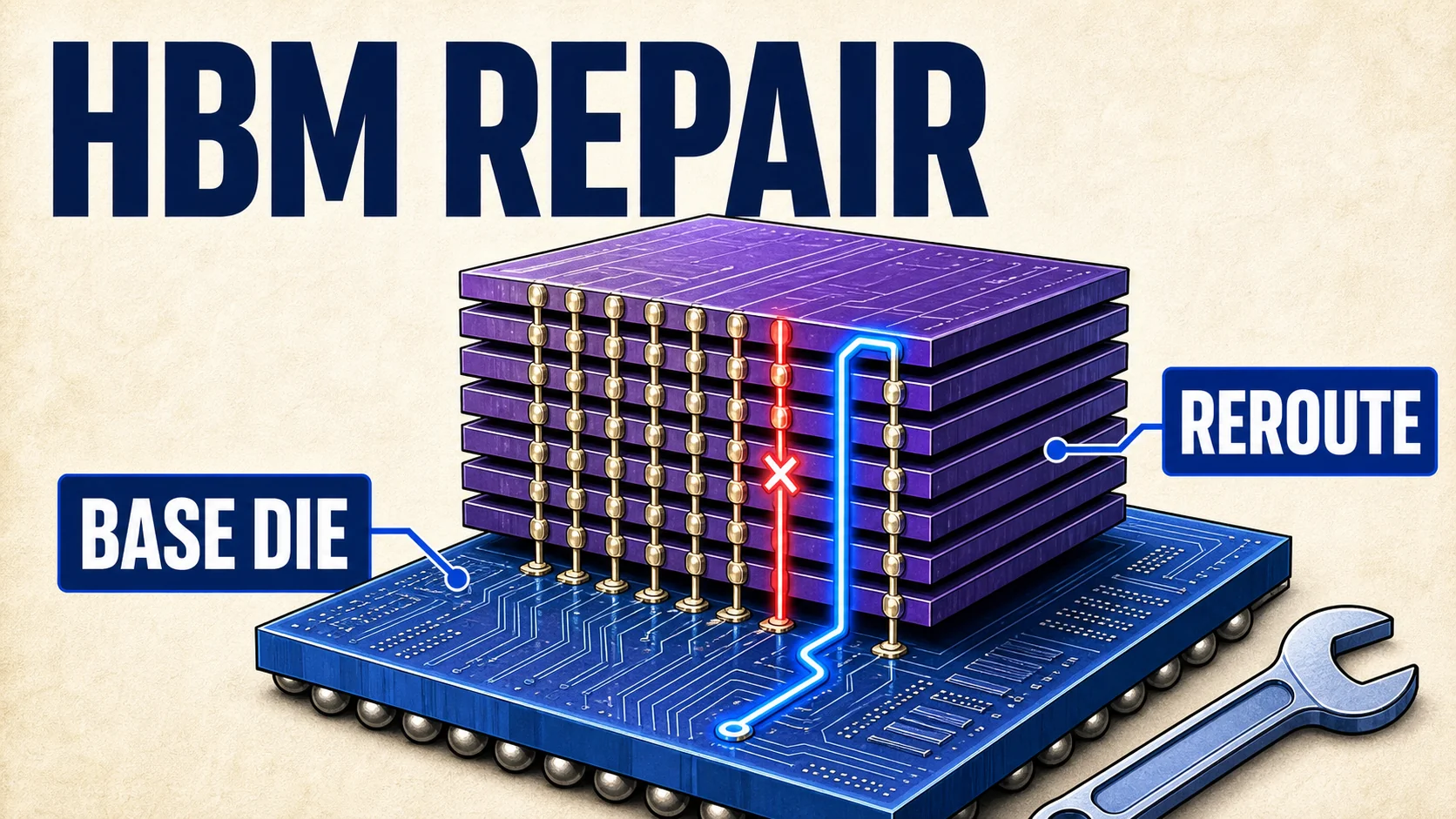
HBM Classroom 2: Base Die and Repair Evolution

A six-page classroom on the base die at the bottom of an HBM stack. It explains why the base die is more than wiring, how traditional DRAM repair changes in a 3D stack, and why repair can protect the value of the whole AI package.

Semiconductor Packaging Classroom: From CoWoS to ABF

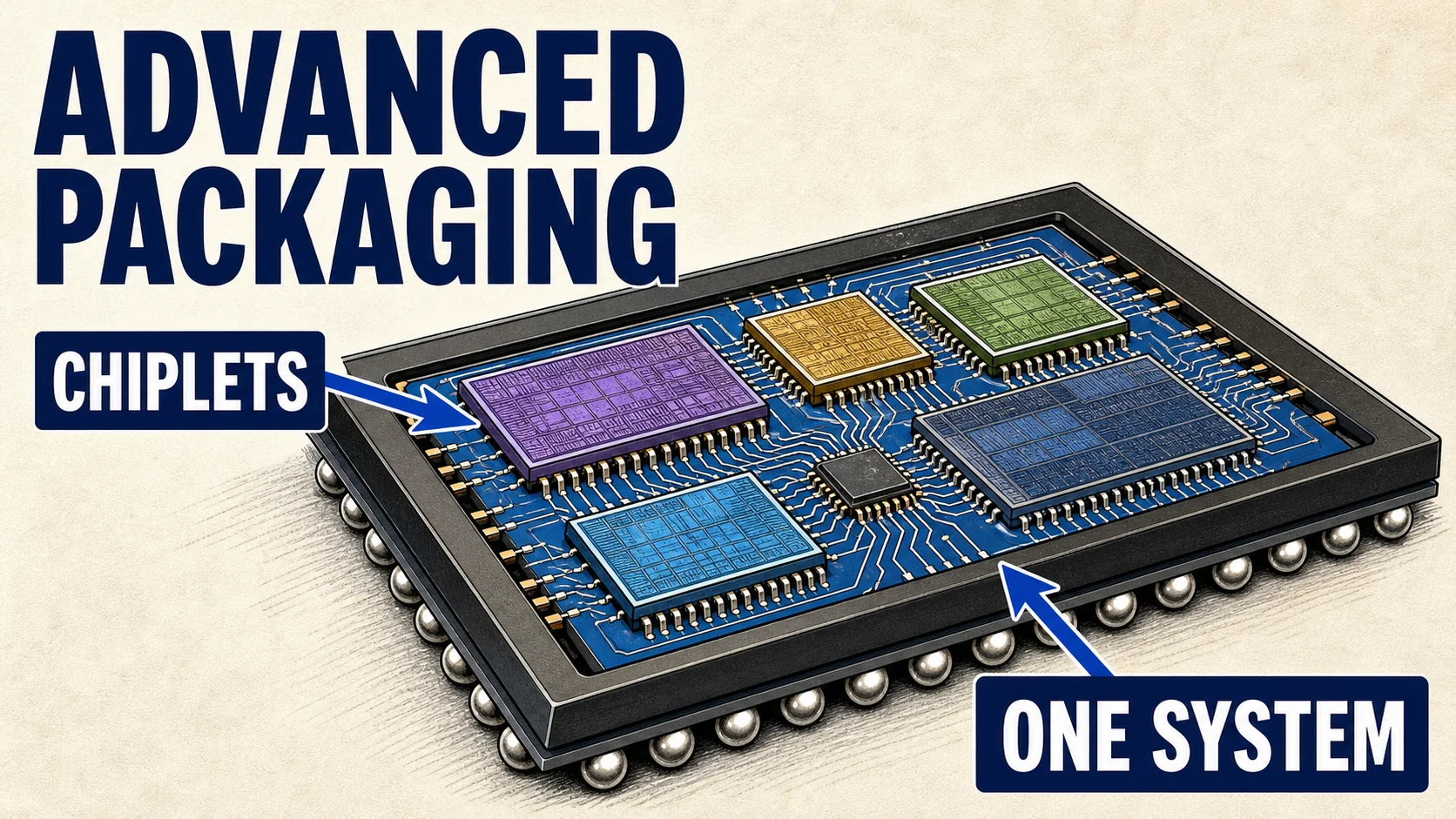
A seven-page classroom on advanced packaging as the work of moving chips closer together. It compares CoWoS, silicon interposers, CoPoS, ABF substrates, and PCBs by the distance, density, bandwidth, and yield problems they solve.

AES-128 RTL Beginner Guide

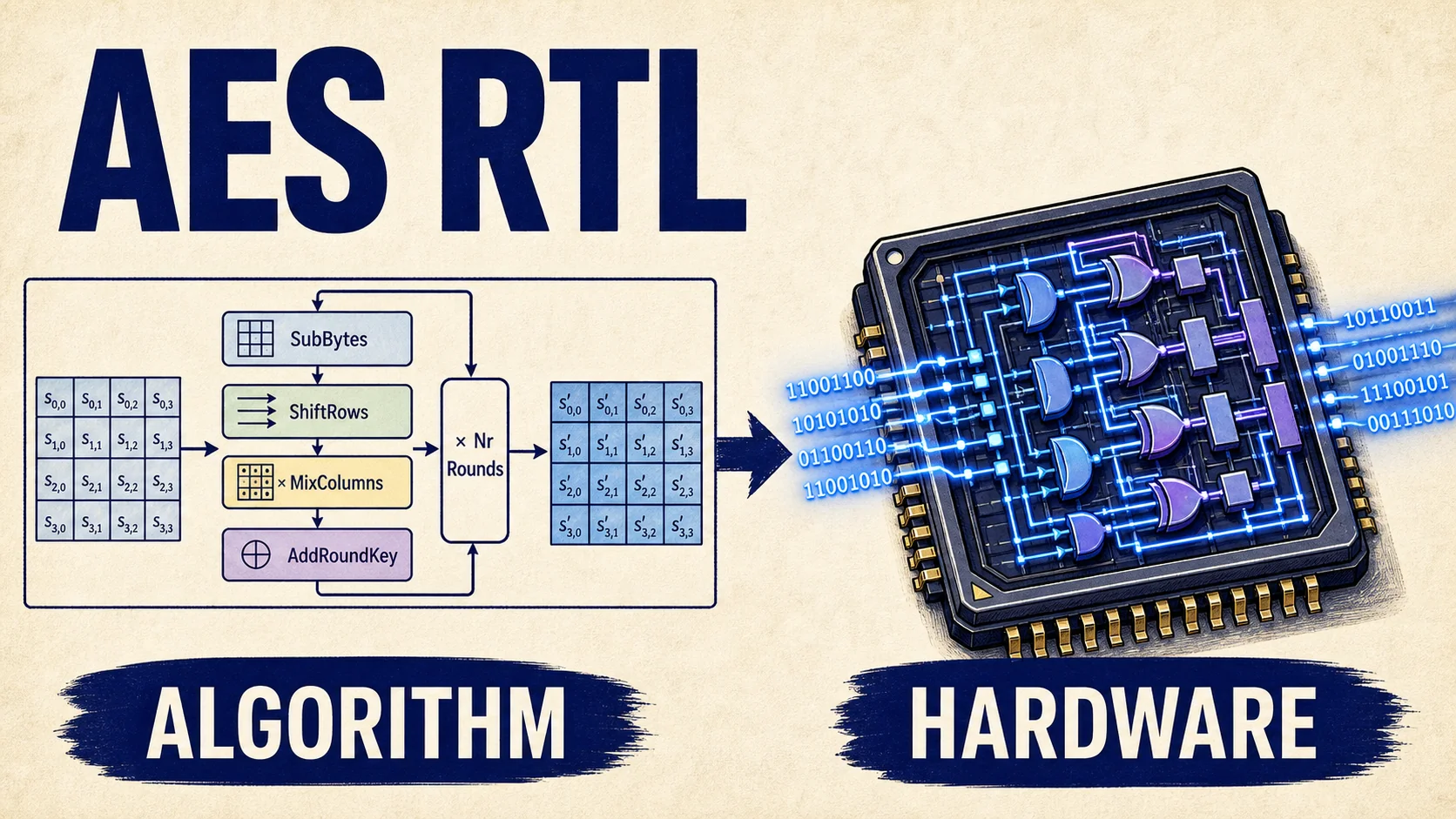
A beginner guide that reads AES-128 RTL as a hardware floor plan: data movement, round control, FSM timing, S-boxes, MixColumns, valid signals, and the practical checks that keep an RTL implementation understandable.