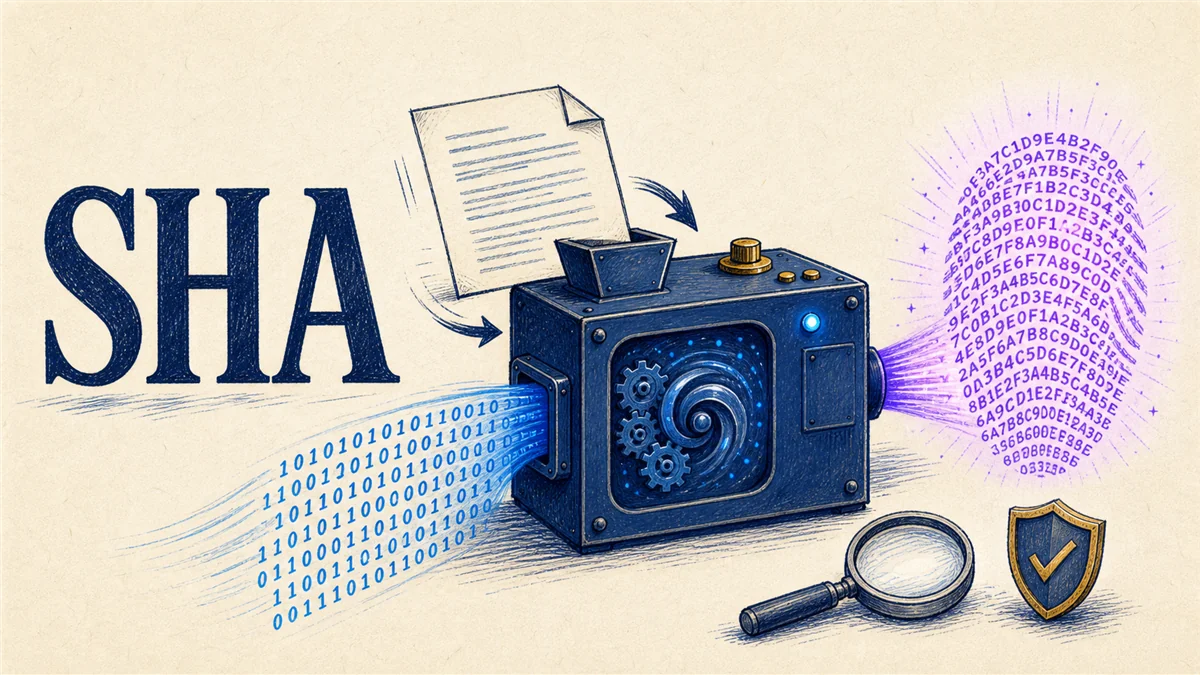
SHA Comic Classroom Part 1: From Digital Fingerprints to Hardware Trust
Ten illustrated lessons explain SHA digests, resistance properties, the birthday bound, SHA-1's retirement, and the role of hashing in software and hardware security.
HARDWARE SECURITY
Cryptography, chip identity, protected keys, secure storage, validation, and RTL ideas explained from the hardware point of view.
Ten illustrated lessons explain SHA digests, resistance properties, the birthday bound, SHA-1's retirement, and the role of hashing in software and hardware security.
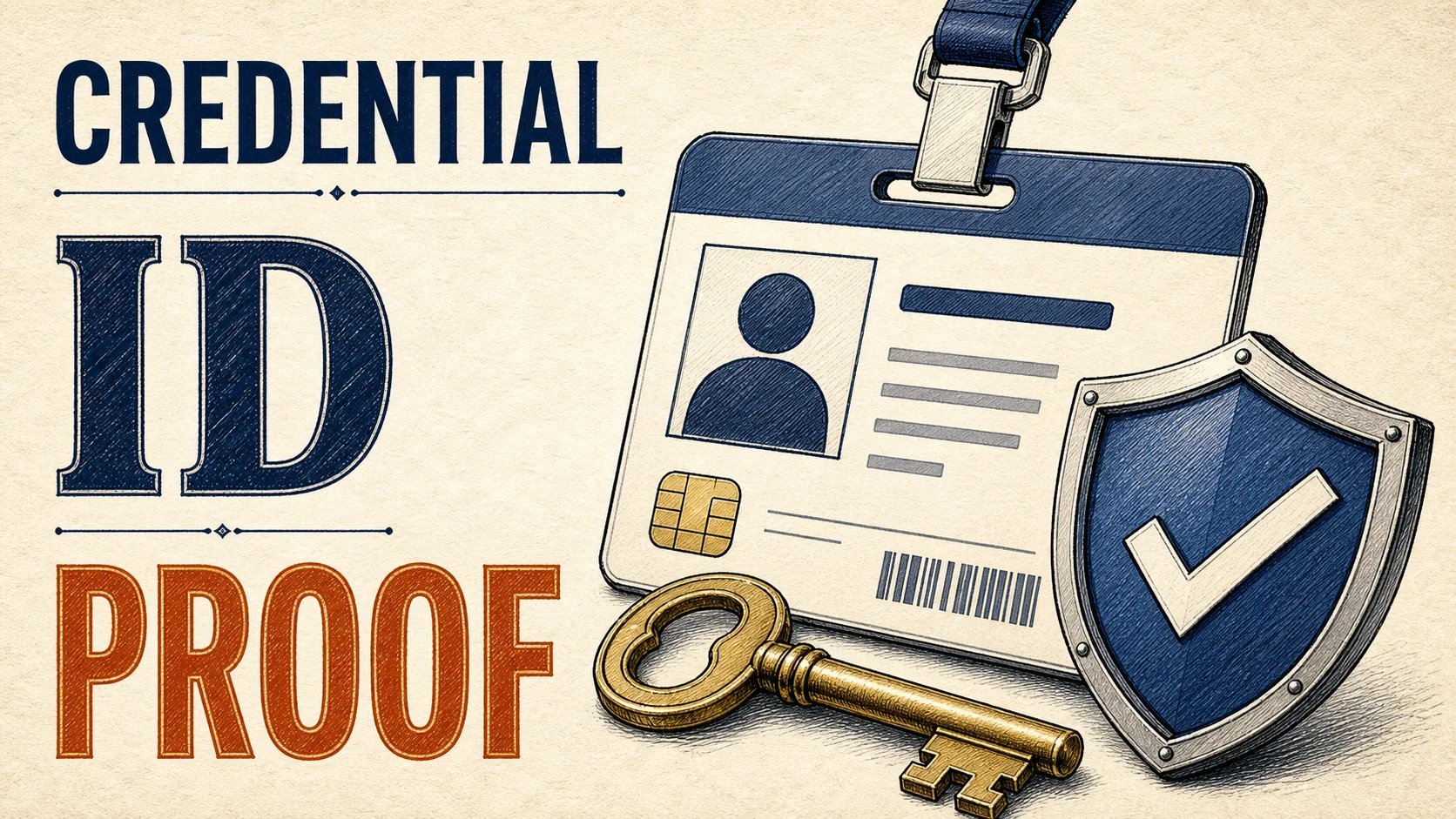
A 12-page visual guide to credentials, authentication, authorization, passwords, keys, certificates, tokens, device identity, attestation, and PUF. Start with a simple door-check story, then connect each picture to practical security design.
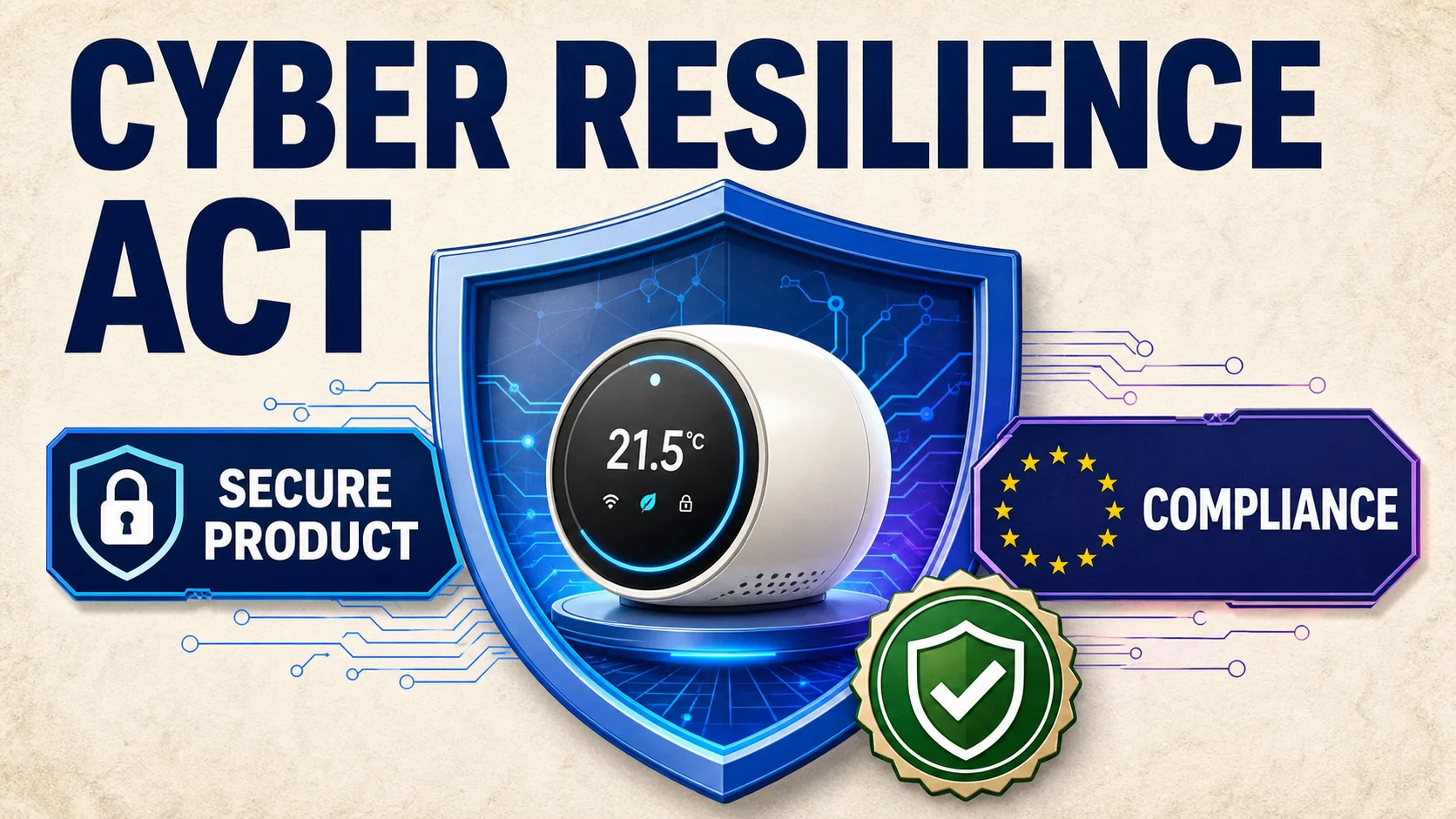
A nine-page classroom that turns the EU Cyber Resilience Act into a product-readiness map: scope, reporting dates, product classes, Annex I duties, conformity assessment, CE marking, and the evidence a real team must keep.
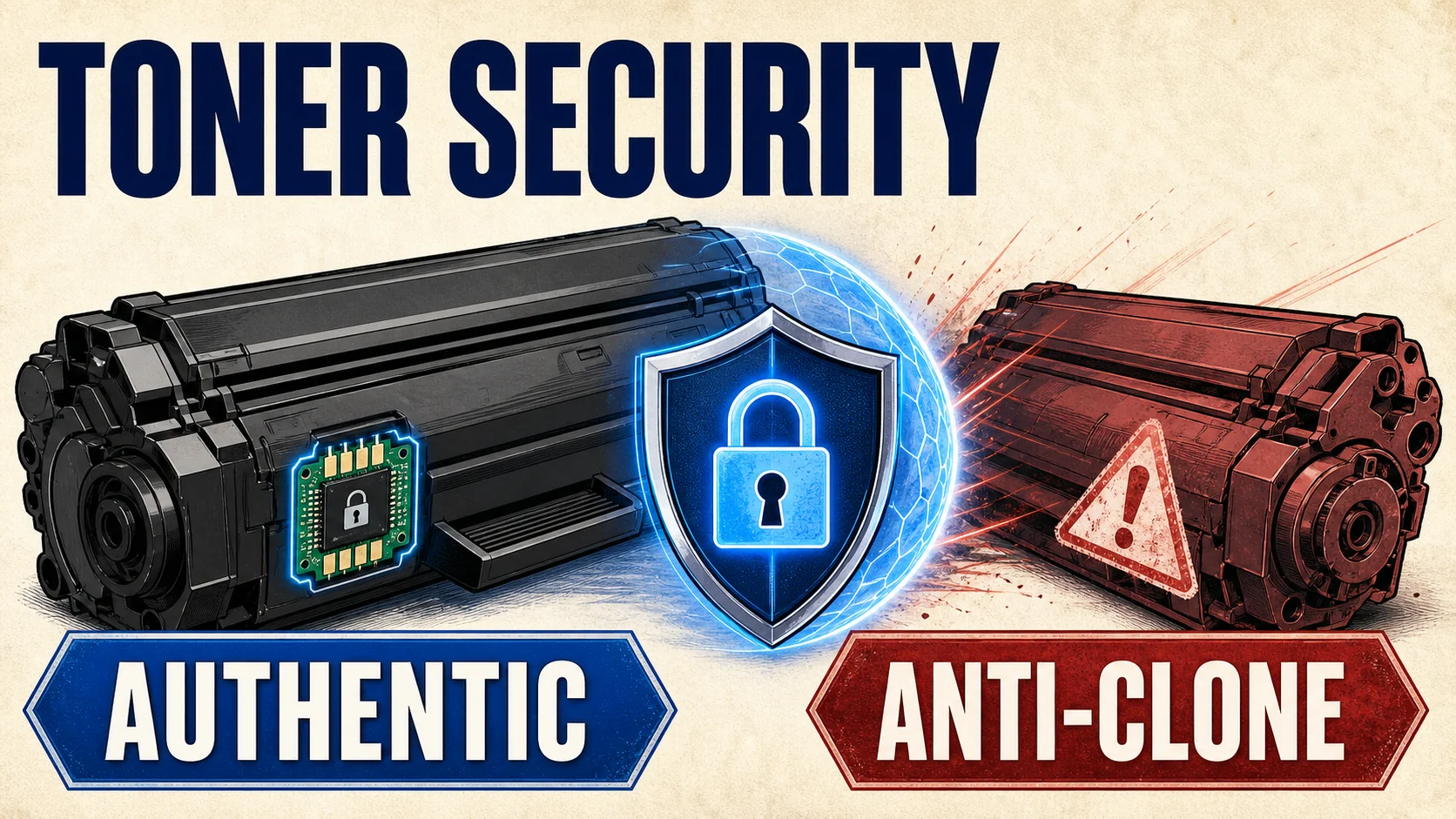
A ten-page classroom on why toner cartridge security is really a supply-chain trust problem. It starts with attacker incentives and PKI authentication, then explains why private keys, counters, and cartridge state need PUF and Secure Storage protection.
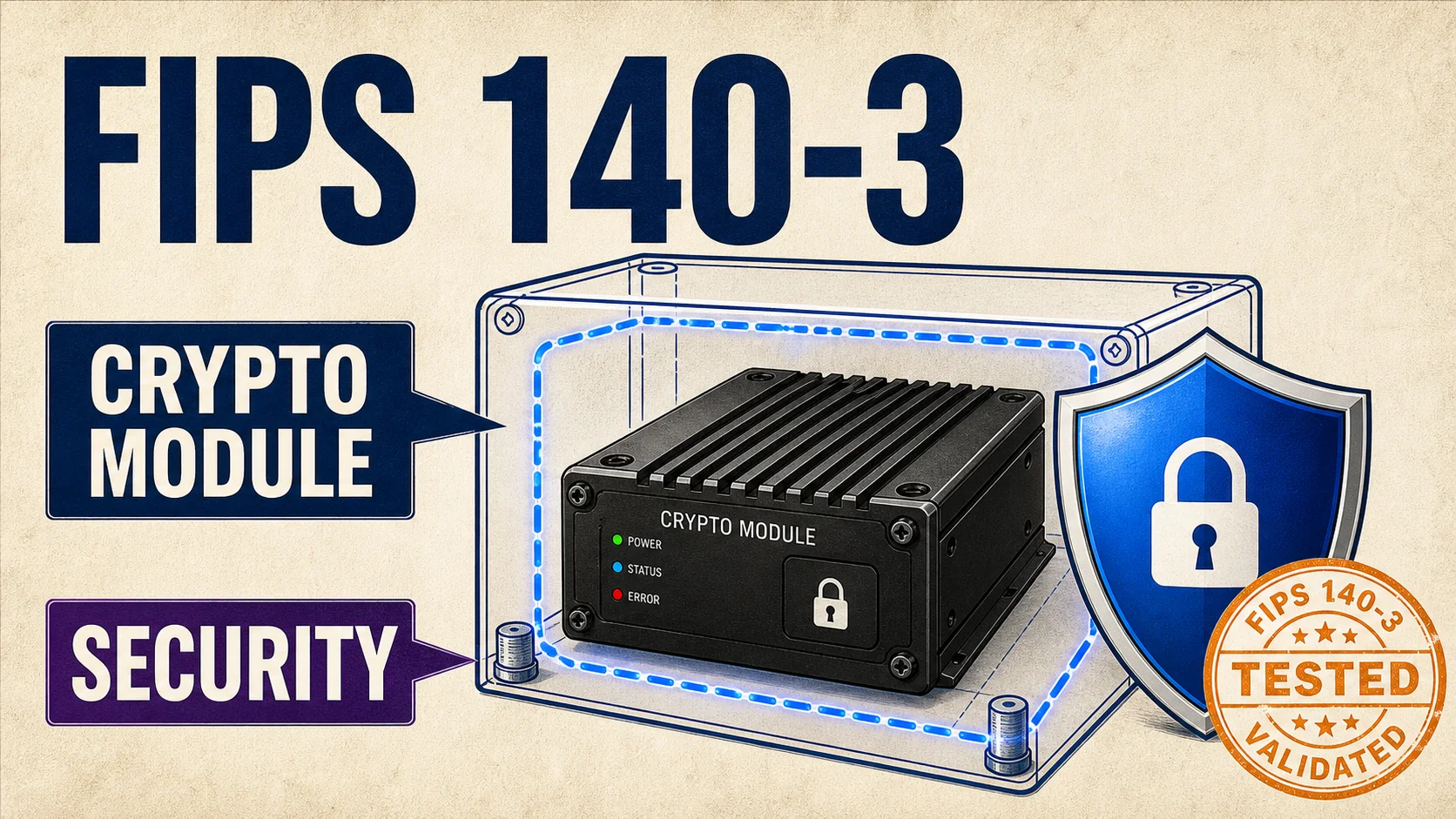
An eight-page classroom on FIPS 140-3 as a security inspection for cryptographic modules. It explains the validation flow, the assurance levels, and the hardware questions around keys, tamper response, roles, and evidence.
A four-page classroom on PUFs as chip fingerprints. It explains why manufacturing variation can become a security primitive, then connects SRAM PUF, NeoPUF, enrollment, extraction, and key generation.
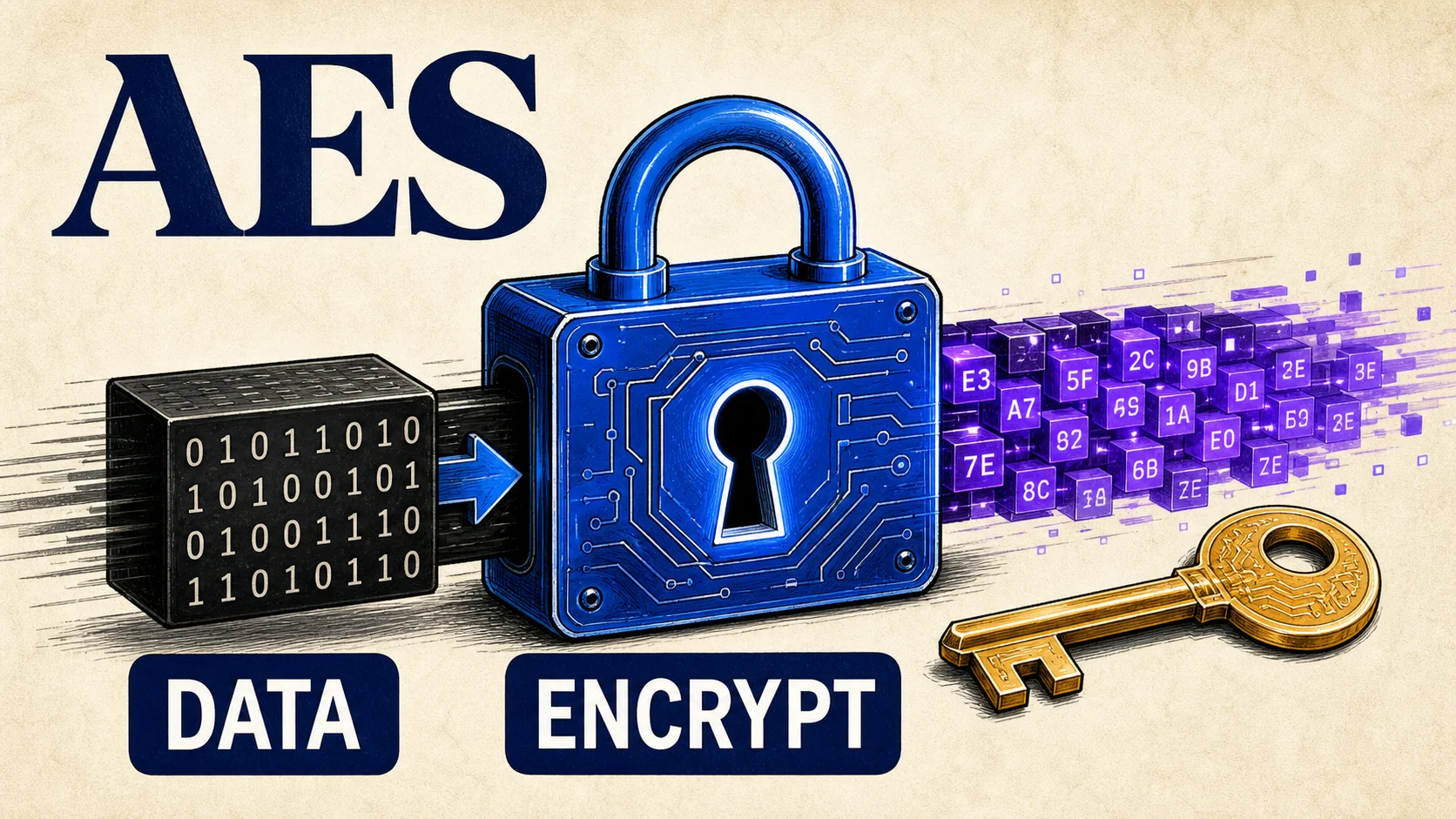
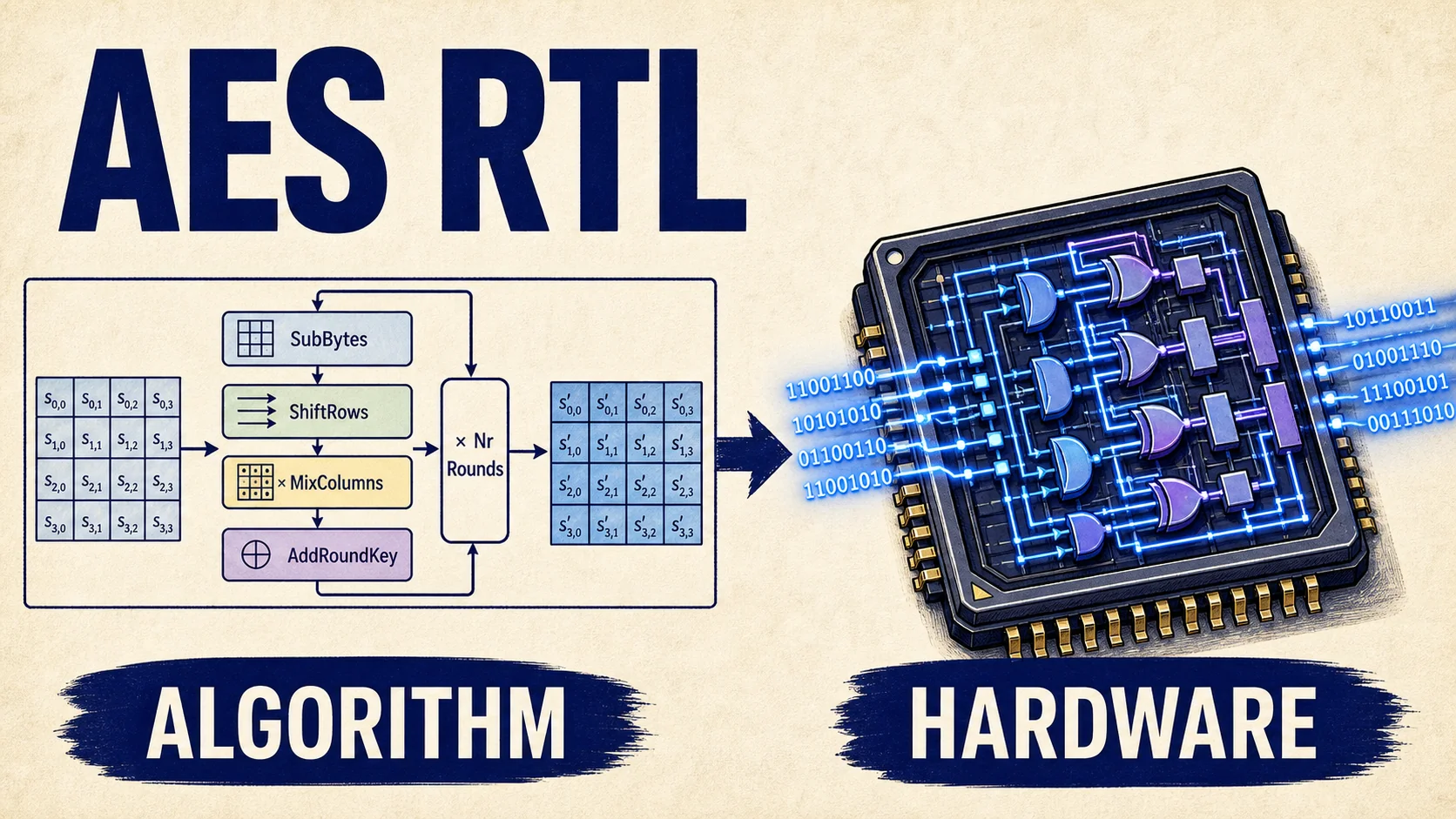
A five-page classroom that explains AES as a repeated encryption workshop: fixed-size data blocks move through substitution, shifting, mixing, and key addition until the plaintext becomes hard to reverse without the key.
A beginner guide that reads AES-128 RTL as a hardware floor plan: data movement, round control, FSM timing, S-boxes, MixColumns, valid signals, and the practical checks that keep an RTL implementation understandable.